Architects of Israel is a StandWithUs UK educational project, teaching you about the men and women without whom the State of Israel would not be what it is today 🇮🇱
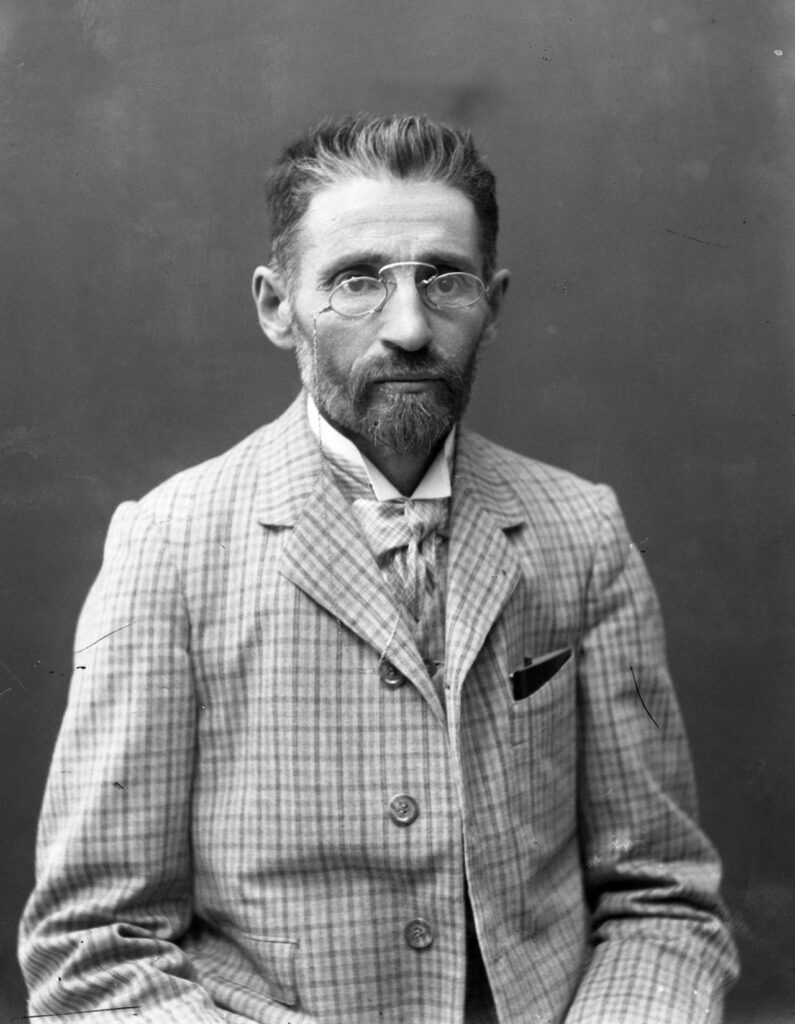
Eliezer Ben-Yehuda (1858–1922)
Reviver of the Hebrew Language | Visionary Linguist
- Born as Eliezer Yitzhak Perlman in Lithuania, he was inspired at 17 by the dream of Jewish national revival and decided that language would be the heart of it.
- He made Aliyah (immigration to Israel) in 1881 and vowed to speak only Hebrew, making his family the first in modern times to use it as their daily spoken language.
- He published Hebrew textbooks, founded HaZvi newspaper, and led the Va’ad HaLashon, the forerunner of the Academy of the Hebrew Language.
- Ben-Yehuda created or revived over 300 Hebrew words, from “glida” (ice cream) to “ta’arich” (date), and helped modernise the language for daily life.
- He faced ridicule and resistance, but persevered, working by candlelight into the night, often battling illness.
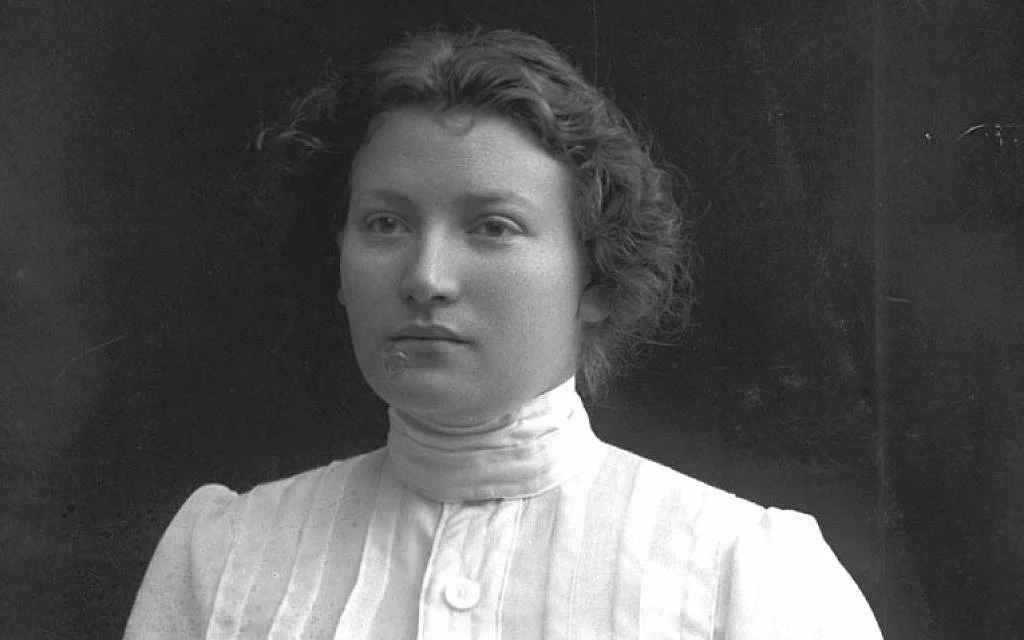
Sarah Aaronsohn (1890–1917)
Heroine of the NILI Spy Ring
(Hebrew acronym: “the Eternal One of Israel will not lie”)
- Born in Zikhron Ya’akov under the Ottoman rule to Romanian immigrants who helped build the first Jewish farming communities.
- Witnessed the Armenian genocide while traveling in Turkey in 1914- these horrors led her to fight Ottoman rule.
- Joined her brothers Aaron and Avshalom Feinberg to form NILI in 1915, an underground Jewish spy network during World War I that aided the British in their fight against the Ottoman Empire in Eretz Israel.
- Collected intelligence across the Ottoman Empire- risking her life to pass on vital military information.
- After the death of Avshalom Feinberg, Sarah Aaronsohn took over NILI’s leadership, courageously continuing their mission. The intelligence they provided was crucial to British military success in the region to weaken the Ottomans. Nili’s brave efforts helped pave the way for the eventual establishment of Jewish independence.
- Captured and tortured in 1917, she took her own life to protect her fellow operatives.
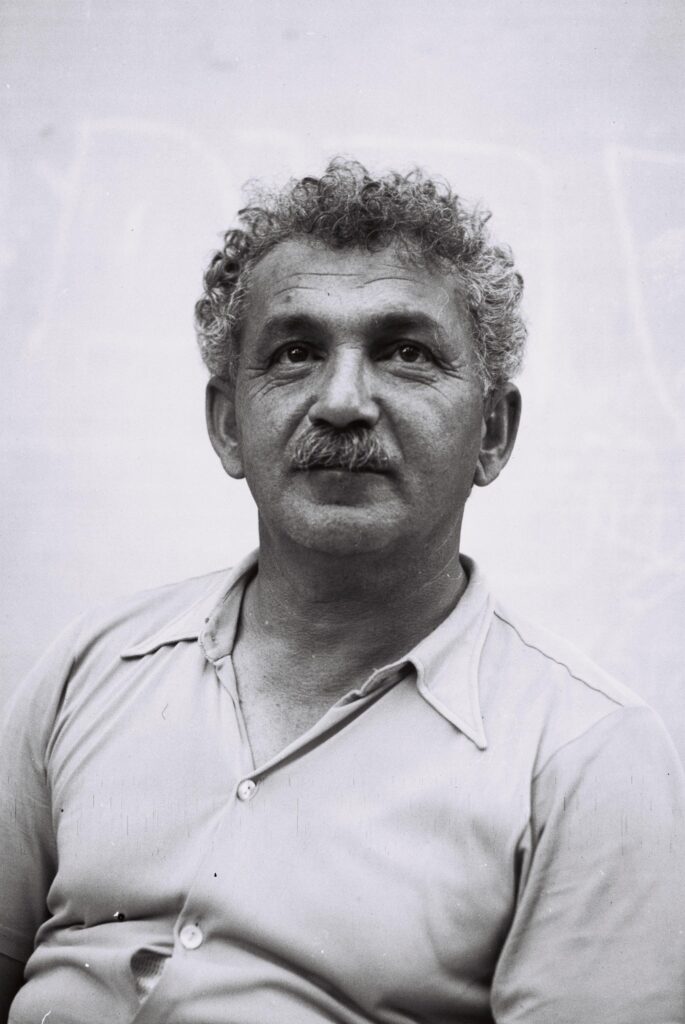
Berl Katznelson (1887–1944)
Prominent leader of the Labour Movement
- Born in Belarus, he was deeply affected by antisemitic violence and joined Jewish defence groups in his teens.
- Made Aliyah in 1909 and worked in agriculture, believing in building the land through manual labour.
- Founded Davar, the voice of the labour movement, and authored the original version of the Yizkor prayer (memorial prayer for the departed)
- Co-founded key national institutions: the Histadrut union, Clalit Health Fund, and Bank Hapoalim.
Photo: GPO.
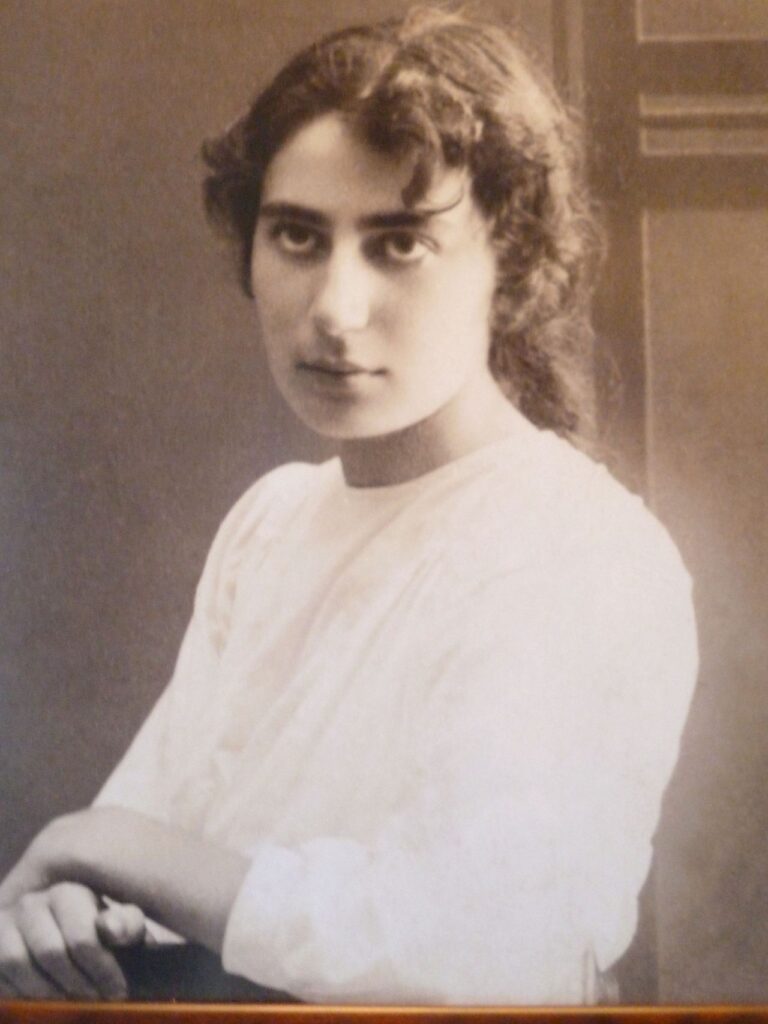
Rachel Bluwstein (1890–1931)
“Rachel the Poetess” | Pioneer of Hebrew lyrical poetry
- Born in Russia, Rachel began writing poetry in Russian as a teen and studied painting in Kiev, before discovering Zionism and deciding to build a new life in Eretz Israel.
- In 1909 she immigrated and chose a life of labour over art, joining the Women’s Farm at Kinneret, Israel’s first agricultural training centre for women.
- She later studied agronomy in France but returned in 1919 to join Kibbutz Degania. After contracting tuberculosis, she had to leave communal life and lived in isolation in Tel Aviv.
- From her modest flat, she wrote over 100 simple, lyrical, deeply personal Hebrew poems, which captured love, nature, longing, and loss. Many were published in Davar, the leading labour newspaper.
- Her poetry, often written in biblical Hebrew, struck a chord with generations. Many of her poems were set to music and became part of the Israeli cultural canon.
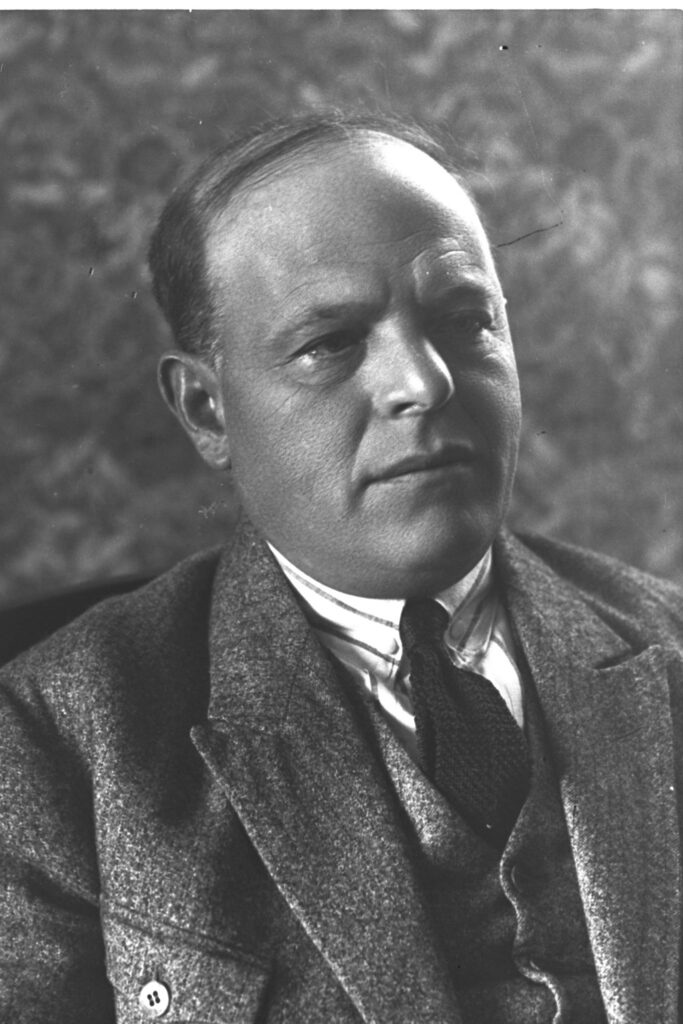
Hayim Nahman Bialik (1873–1934)
Poet of the Nation | Cultural Architect
- Born in Radi, Russia (now Ukraine), Bialik lost his father at age 7 and was raised by his strict grandfather, who sent him to yeshiva (Jewish school) where he secretly founded a Zionist group.
- His first poem, To the Bird, written in his youth, became a landmark of longing and identity in modern Hebrew literature.
- After witnessing the aftermath of the Kishinev pogrom (1903), he wrote In the City of Slaughter, a searing indictment of Jewish passivity and a rallying cry for action.
- Co-founded the Moriah publishing house, creating Hebrew textbooks to support Jewish education and revive the language.
- After immigrating to Tel Aviv in 1924, he led the Hebrew Writers Association, translated global classics, wrote beloved children’s poems, and helped shape modern Hebrew vocabulary.
Photo: GPO.
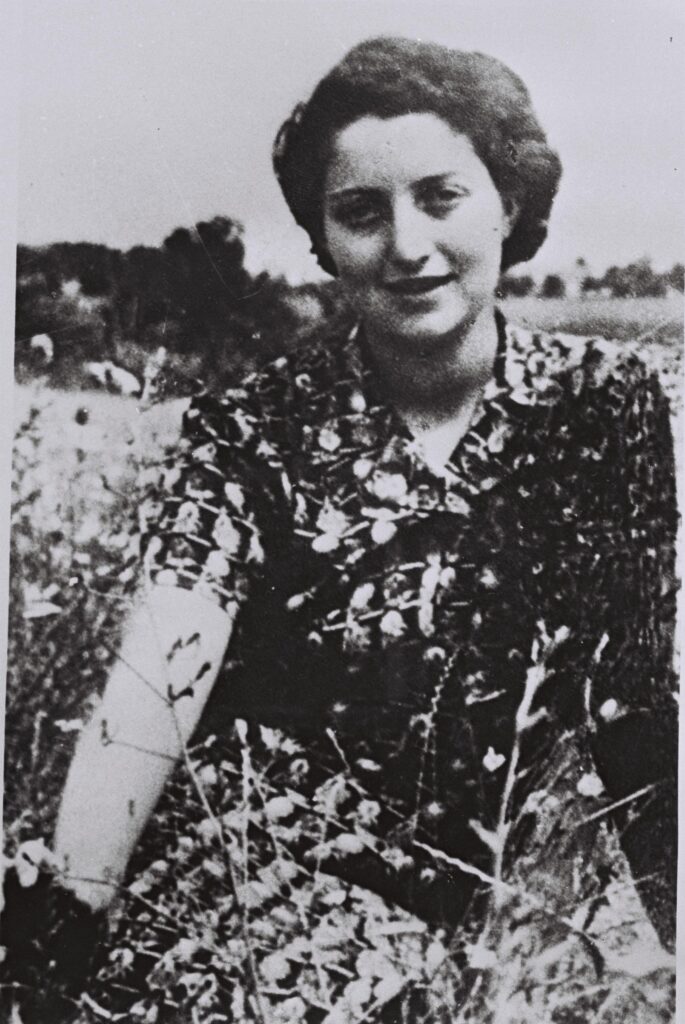
Hannah Senesh (1921–1944)
Poet, Paratrooper, War Heroine
- Born in Hungary, Senesh immigrated to Israel at 18 and studied agriculture. She joined Kibbutz Sdot- Yam and began writing poetry.
- In 1943, she volunteered for the British army and trained as a radio operator and paratrooper.
- Parachuted into Nazi-occupied Europe to help save Hungarian Jews- an incredibly risky mission.
- She was captured at the border and tortured by Hungarian fascists but refused to betray her comrades.
- Senesh was executed at age 23. Her poems, like “Blessed is the Match” and “A Walk to Caesarea” (Eli Eli) became eternal symbols of courage and hope.
Photo: GPO.
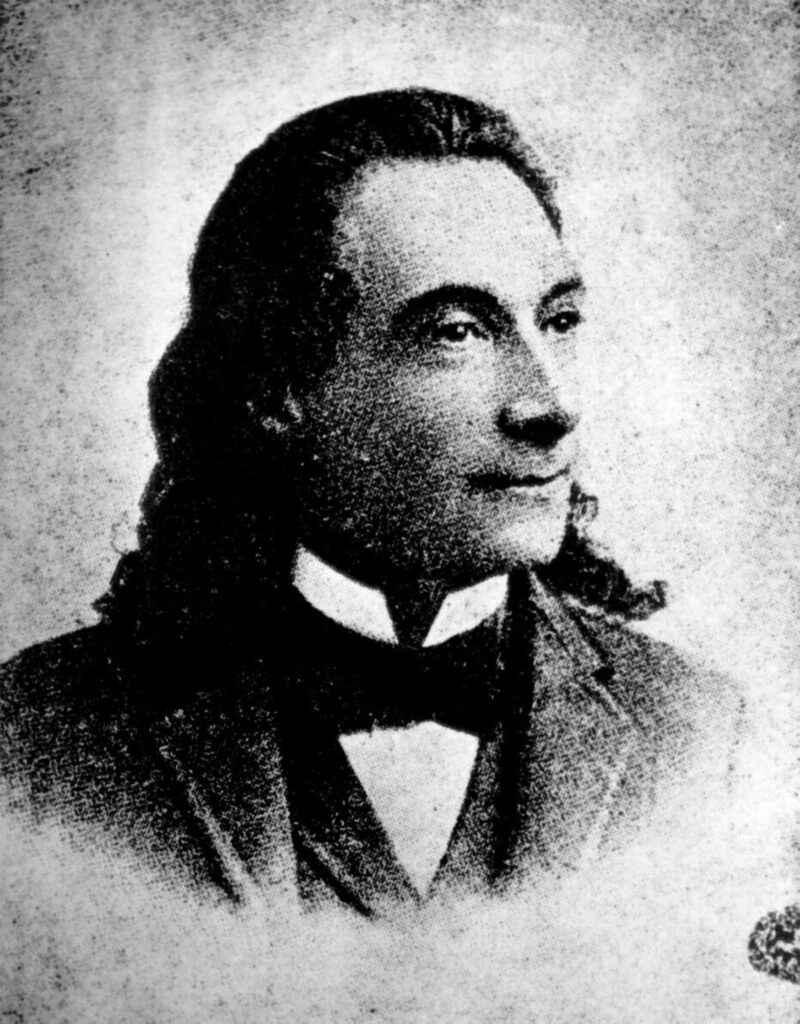
Naftali Herz Imber (1856–1909)
Writer of Israel’s National Anthem
- Born in Ukraine (then the Austrian Empire), Imber was recognised early as a Torah prodigy but later gravitated toward international literature and the Haskalah (Jewish Enlightenment) movement.
- A gifted poet, he was influenced by Hebrew revivalism and European literature, blending spiritual longing with nationalist ideals.
- In 1882 Imber made Aliya and moved to Haifa. He travelled Eretz Israel, reading his patriotic poems to pioneers of the First Aliyah (immigration to Israel) fostering pride, unity, and Zionist inspiration.
- The Zionist movement selected the first two stanzas of his poem “Tikvateinu” (“Our Hope”) as their official anthem in 1933, which eventually became “Hatikvah”, Israel’s national anthem in 1948.
- Though he died in New York, Imber’s legacy lives in every Israeli event, school, and stadium where “Hatikva” is sung.
Edmond de Rothschild (1845–1934)
The Generous One – Father of the Yishuv (Early Jewish Communities)
Born into a French-Jewish banking dynasty, he used his wealth to support the Zionist dream of establishing a Jewish homeland)
- After the pogroms of the 1880s, he believed Jewish survival required a return to the Land of Israel.
- Funded early agricultural communities like Rishon LeZion and Zikhron Ya’akov, the first two communities established by the people of the first Aliyah, saving them from collapse.
- Provided Jewish communities with land, tools, training, and wages- laying the foundation for Israel’s farming economy.
- Promoted industries like winemaking and later became honourary president of the Zionist Organisation.
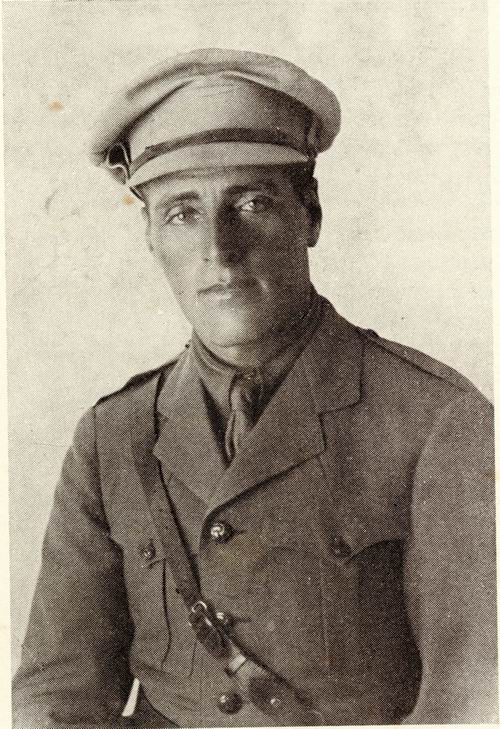
Joseph Trumpeldor (1880–1920)
A Symbol of Jewish Heroism
- The first Jewish officer in the Russian army- he lost his arm in war but kept fighting with bravery.
- Became a Zionist while a prisoner in Japan, organising Jewish study circles among fellow captives.
- Co-founded the Jewish Legion with Jabotinsky to help liberate the Land of Israel in World War I.
- Died defending Tel Hai agricultural community in northern Israel from an armed Arab attack in 1920.
- His last words, “It is good to die for our country,” became a rallying cry for generations.
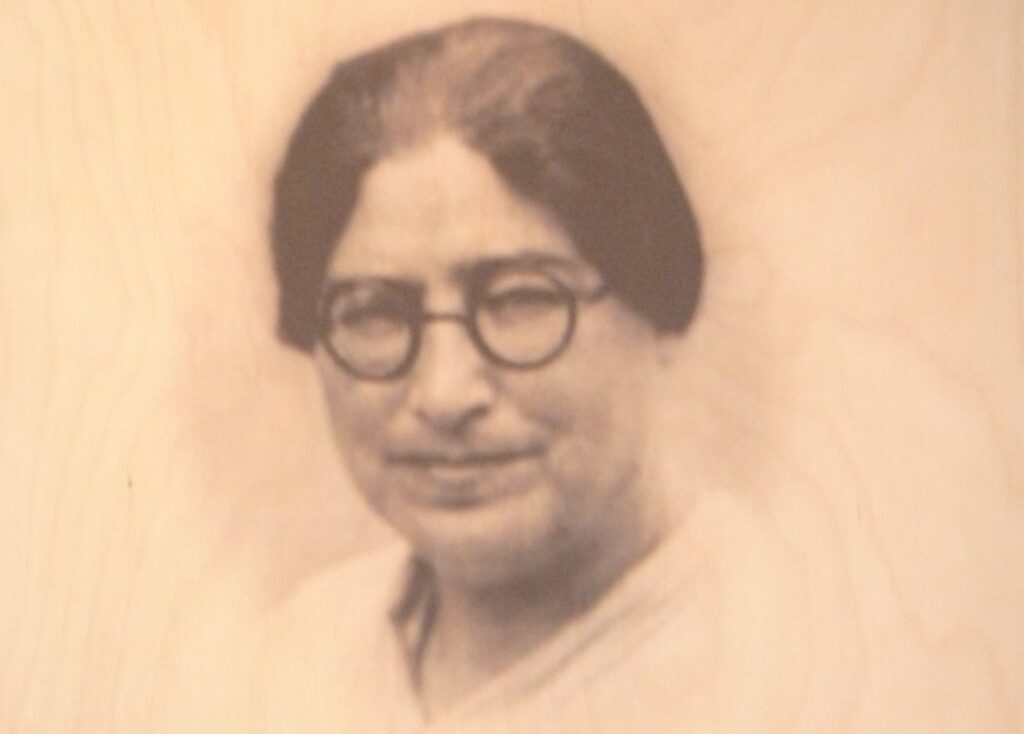
Hannah Maisel Shochat (1883–1972)
Agricultural Pioneer & Women’s Advocate
- Born in Belarus, she studied agronomy in Switzerland and France and earned a PhD- rare for women of her time.
- Immigrated in 1909 and dreamed of training women to farm the land and build a new Jewish future.
- In 1911, she founded the first agricultural school for women at the Kinneret Farm.
- Helped establish Nahalal and later built a girls’ school there, empowering women through knowledge and skills.
- Represented women in Zionist institutions and helped create WIZO (Women’s international Zionist organisation- a voluntary organisation dedicated to social welfare) and Hadassah Canada for global support.
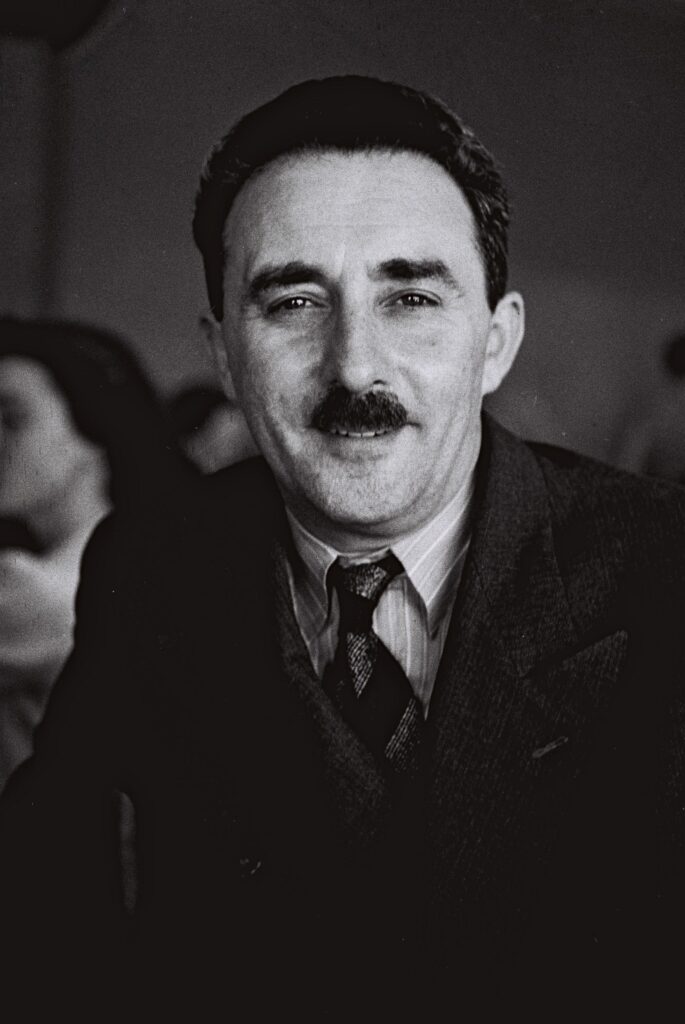
Moshe Sharett (1894–1965)
Agricultural Pioneer & Women’s Advocate
- Born in Belarus, she studied agronomy in Switzerland and France and earned a PhD- rare for women of her time.
- Immigrated in 1909 and dreamed of training women to farm the land and build a new Jewish future.
- In 1911, she founded the first agricultural school for women at the Kinneret Farm.
- Helped establish Nahalal and later built a girls’ school there, empowering women through knowledge and skills.
- Represented women in Zionist institutions and helped create WIZO (Women’s international Zionist organisation- a voluntary organisation dedicated to social welfare) and Hadassah Canada for global support.
Photo: GPO.
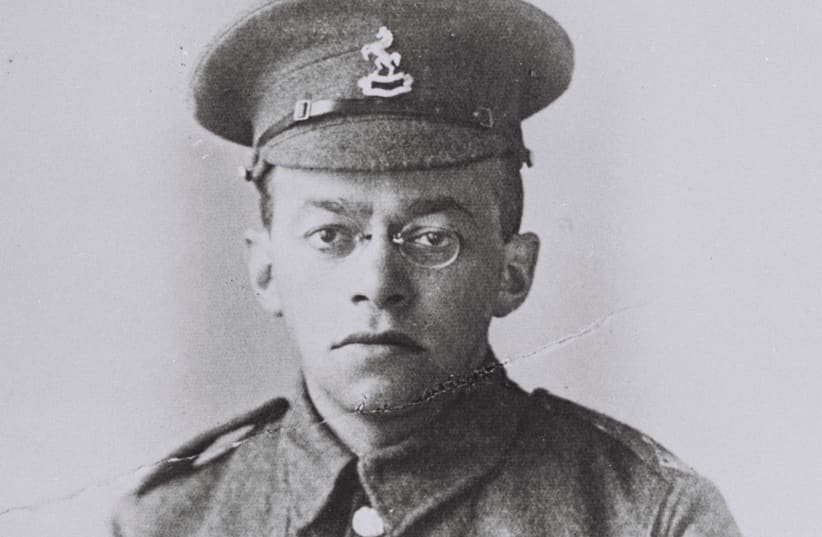
Ze’ev Jabotinsky (1880–1940)
Visionary Zionist Leader
- Born in Odessa, Ukraine, Jabotinsky began as a gifted journalist, poet, and playwright, passionate about Jewish culture.
- Studied law and art in Rome, where Italy’s nationalist movement shaped his belief in Jewish self-determination.
- The 1903 Kishinev Pogrom convinced him that Jews needed a strong, sovereign homeland.
- In 1920, he founded the Revisionist Zionism as a call to “revise” the strategies of the World Zionist Organisation, led by Chaim Weizmann, advocating a more assertive approach to establishing a Jewish state, with emphasis on Jewish self-defence, political clarity, and economic freedom.
- Led Betar youth and commanded the Irgun (organisation in Hebrew) underground, training Jews in self-defence and national pride.
- His leadership style and vision contributed to the founding principles of the Israeli right-wing. However, his ideas often sparked debates about the balance between security and diplomacy, making him a complex, multifaceted figure in Israeli history.