When Conflict Abroad Fuels Hate at Home: What San Diegans Need to Know
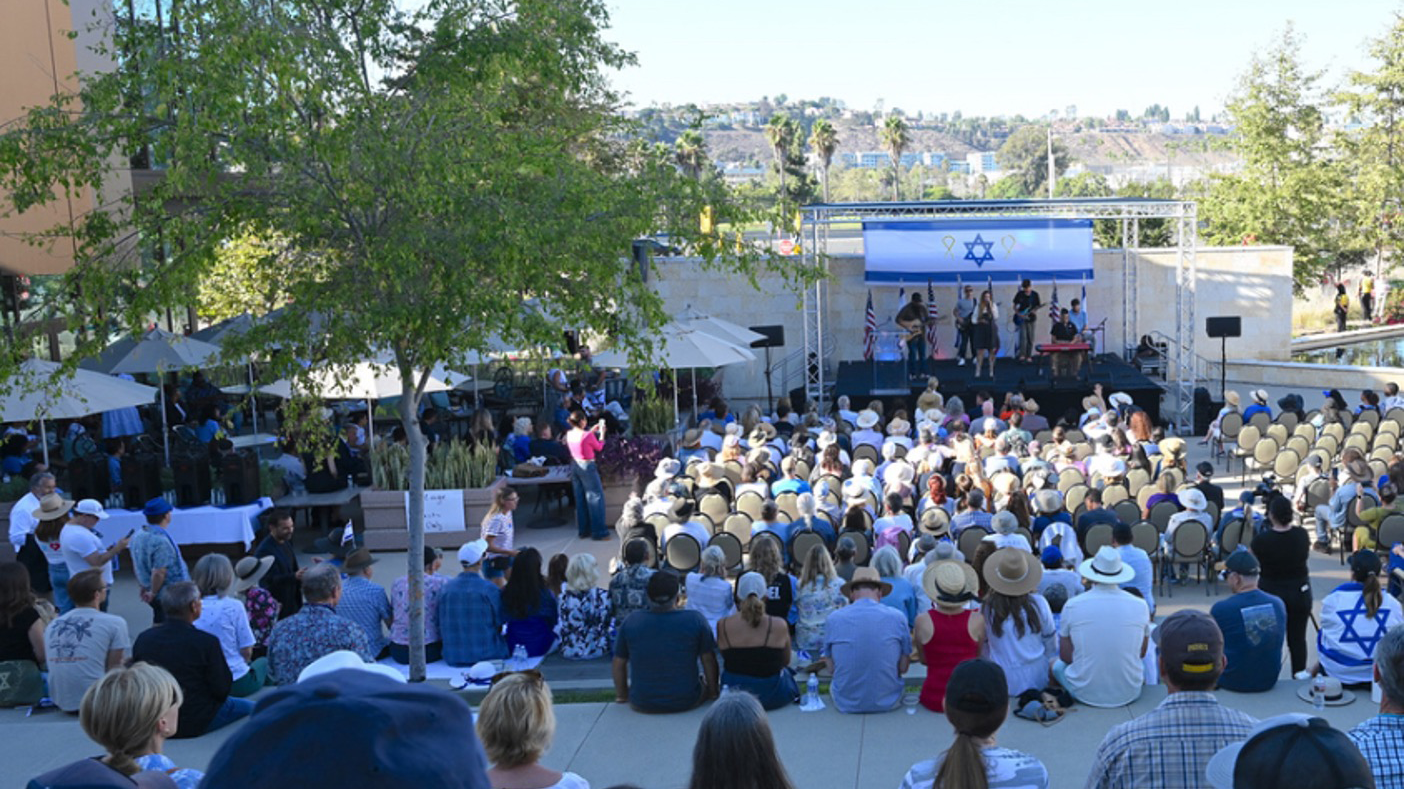
San Diegans know that we live in a global city, filled with different influences, cultures and worldviews. Our communities are rich and diverse, which means that most of us, in some way, are connected to somewhere else. That’s mostly a good thing, however history teaches us that when conflicts erupt overseas, their consequences often ripple far beyond the regions where they occur.
And when it comes to San Diego’s Jewish community, these consequences can be dire.
One of the most concerning patterns that has emerged from the aftermath of October 7th is the rise of antisemitism in cities around our nation, including here in San Diego. Across the United States, Jewish individuals and institutions have become targets of harassment, vandalism, and hatred when tensions escalate abroad.

According to a recent study by StandWithUs on Jewish safety and security on college campuses:
- 53% of Jewish student respondents said fear of antisemitic attacks affected their participation in campus activities.
- 33% of respondents reported experiencing additional forms of antisemitism, including doxxing, social media harassment, and antisemitic messaging from faculty or departments.
- Over 50% of surveyed students said antisemitism impacted their ability to fully participate in campus life, including classes and events.
- More than half of students reported feeling less comfortable displaying Jewish or pro-Israel symbols on campus, such as a kippah, Star of David, or hostage pin.
Criticism of Governments vs. Targeting Jewish Communities
Healthy debate and criticism of governments and policies are a normal part of democratic societies. People across the political spectrum regularly express opinions about international conflicts, including those involving Israel.
However, there is an important distinction between criticizing a government and targeting Jewish people.
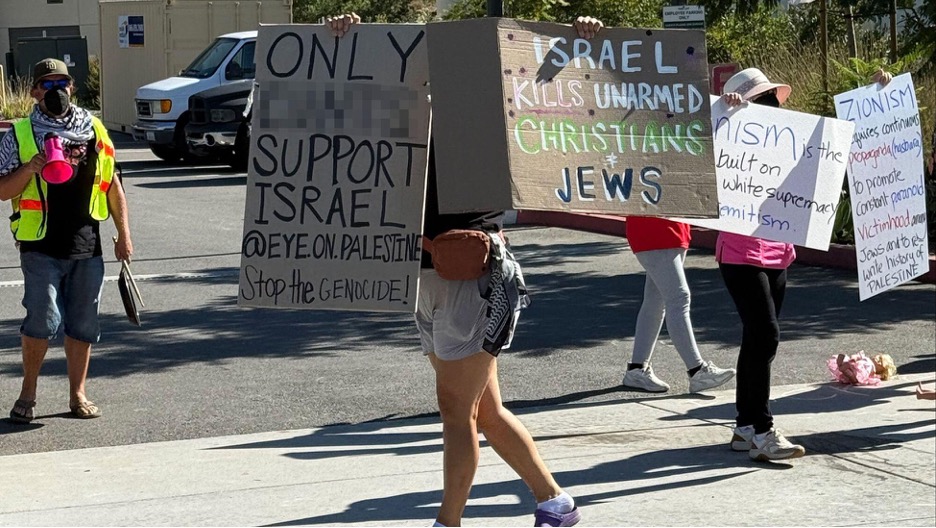
Antisemitism occurs when individuals or communities are blamed, harassed, or threatened simply because they are Jewish; when Jewish identity itself becomes the target of hostility. This can take many forms, including:
- Harassment of Jewish students or community members over international politics
- Vandalism of synagogues, Jewish schools, or community centers
- The spread of antisemitic stereotypes or conspiracy theories online
- Calls to exclude or intimidate Jewish individuals based on perceived connections to Israel
When political anger about events abroad turns into hostility toward Jewish neighbors at home, the line from political discourse to discrimination has been crossed.
What We’re Seeing in San Diego
Although it may feel like we live in paradise, San Diego has not been immune to these broader trends. Recent reports show that antisemitic incidents in San Diego have reached historically high levels, with harassment, vandalism, and intimidation affecting local Jewish communities.
Here are a few troubling stats reported in the Times of San Diego, that paint a clearer picture:
- 139 antisemitic incidents were reported in San Diego County in 2024, a 28% increase from 108 incidents in 2023.
- Antisemitic incidents in San Diego have nearly quadrupled over the past five years, rising from 29 incidents in 2020 to 139 in 2024.
- Vandalism targeting Jewish institutions increased by 67% in San Diego in 2024 compared to the previous year.
- Incidents on college campuses increased by 125%, rising from 12 incidents in 2023 to 27 in 2024.
- San Diego recorded the third-highest number of antisemitic incidents in California, behind only Los Angeles and San Francisco.
- San Diego county suburb Poway was the location of one of the most publicized antisemitic attacks in recent history, when a gunman opened fire in a Chabad, killing one person and injuring three more.

What Community Members Can Do
Combating antisemitism is not solely the responsibility of Jewish communities. It requires awareness and engagement from the broader public. There are several meaningful ways San Diegans can help foster a safer and more informed community:
Learn
Understanding what antisemitism looks like, both historically and in its modern forms, helps individuals recognize it when it appears.
Speak Responsibly
Public conversations about international conflicts can be passionate, but they should never target individuals or communities based on religion or identity.
Challenge Misinformation
False narratives and conspiracy theories about Jews often spread rapidly online during global conflicts. Sharing credible information helps counter these harmful myths.
Support Community Dialogue
Interfaith conversations and community partnerships can build understanding and resilience against hate.
Why Awareness Matters
Antisemitism rarely appears in isolation. Historically, it has often served as an early warning sign of broader intolerance and social division. When communities recognize and address antisemitism early, through education, dialogue, and responsible leadership, they help protect not only Jewish communities, but the values of openness, acceptance and respect that define our city.
At the Antisemitism Task Force at StandWithUs San Diego, we’re on a mission to fight antisemitism in all its forms, through education, awareness, and community action. We’re working tirelessly to empower all San Diegans with the tools they need to stop the spread of Jewish hatred and to build a San Diego that’s warm and welcoming to all.
To learn more about our mission, work, and goals, please sign up for our newsletter.