By LIRON FYNE
When we think of the word genocide, our minds often jump to the Holocaust, the mass-scale, systemic government-led murder of six million Jews by Nazi Germany during the Second World War, whose unprecedented scale and methods led to the very term ‘genocide’ being coined. On January 27th, 2026, we will bow our heads for International Holocaust Remembrance Day, the 80th year of remembrance.
Less frequently do we connect genocidal intent to the campaign against Indigenous peoples in Canada; the forced displacement, cultural destruction, and systematic killing that sought to erase Indigenous peoples. The genocide conducted by the Nazis and the genocidal intent of the Canadian government, though each unique in scale, motive, and implementation, share many conceptual similarities. Both were driven by ideologies of racial superiority, executed through governmental precision, and justified by the perpetrators as a moral mission.
At their core rests the concept of dehumanization. In Nazi Germany, Jews were viewed as subhuman, contaminated, and a threat to the ‘Aryan’ race. In Canada, Indigenous peoples were represented as obstacles to ‘progress’ and seen as hurdles to a Christian, Eurocentric nation. These ideas, this dehumanization, turned human beings into problems to be solved. Adolf Hitler called it the ‘Jewish question,’ leading to an official policy in 1942 called the ‘Final Solution to the Jewish Question,’ whereas Canadian officials called it the ‘Indian problem.’ The language is similar, a belief that one group’s existence endangers the destiny of another. The methods of extermination differed in practice and outcome, but the language of intent resembles one another.
The Holocaust’s concentration camps and carefully engineered gas chambers were designed for efficient, industrial-scale killing, resulting in mass murder. The well-organized plan of systematic degradation, deadly riots, brutal camp conditions, and designated killing centres were only a few of the ways the Nazis worked to eliminate the Jews. The Canadian government’s weapons were policy, assimilation and abandonment. Such as the Indian Act, reserves, and residential schools, which were all meant to ‘kill the Indian in the child,’ cutting generations off from their languages, families, and cultures. Thousands of Indigenous children died in residential schools, buried in unmarked graves near schools that called themselves places of learning. Both systems were backed by either religion or ideology; Nazi ideology brought together racist eugenic policies and virulent antisemitism, while Canada’s genocidal intent was supported by Christian Protestantism claiming to save Indigenous souls by erasing their heritage.
The Holocaust was a six-year campaign of complete industrialized extermination, mass murder with a mechanized intent, on a scale that remains historically unique. The Truth and Reconciliation Commission describes Canada’s indigenous genocide as a cultural one that unfolded over centuries through assimilation and the destruction of indigenous languages and identities. The Holocaust ended with the liberation of the camps and a global recognition of the atrocities committed. However, the generational trauma and dehumanization of antisemitism carry on. For Indigenous peoples in Canada, the effects of the genocidal intent continue to this day, visible in displacement, poverty, and intergenerational trauma. While these histories differ in form and timeline, both are rooted in dehumanization and the belief that some lives are worth less than others.
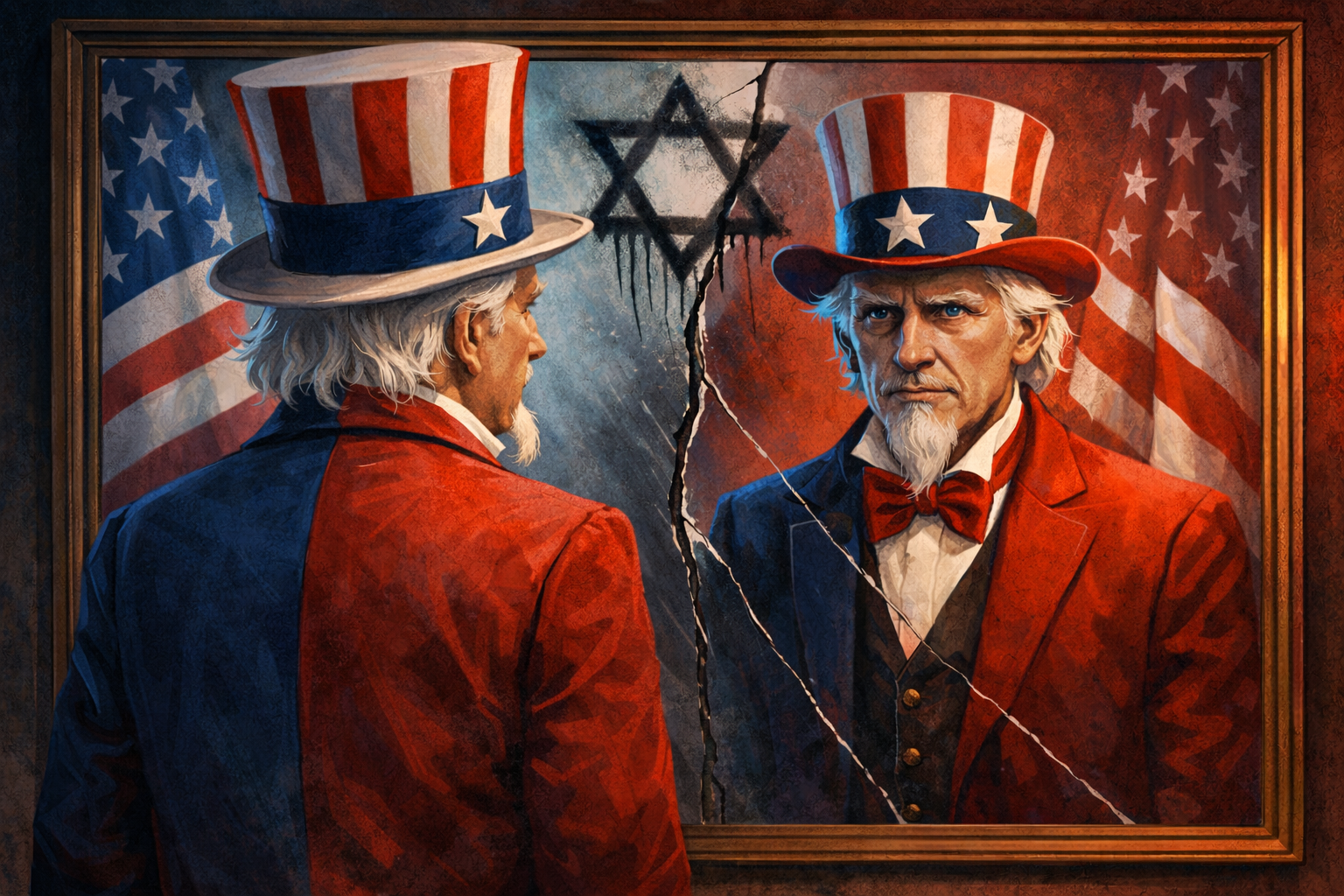
A disturbing similarity lies in the aftermath: silence and denial. The Holocaust forced the world to confront the atrocity with the vow of ‘Never Again,’ which has now been unearthed and reformed as ‘Never Again is Now,’ after the October 7th, 2023, massacre by Hamas. The largest massacre of Jewish people since the Holocaust, and the denial of the atrocities committed on October 7th, highlight the same Holocaust denial we see rising around the world. In Canada, for decades, the genocidal intent was hidden behind narratives of kindness and social progress. Only in recent years, through survivor testimony for the Truth and Reconciliation Commission, and the discovery of unmarked graves, has the truth gained recognition. But acknowledgment without justice risks repeating the same patterns of erasure.
Comparing these atrocities committed is not about comparing pain or scale; it is about understanding the shared systems that enabled them. Both demonstrate how racism, superiority, and dehumanization can be used to justify the destruction of human beings. Remembering is not enough in Canada. True remembrance demands accountability, land restitution, reparations, and education that confronts Canada’s ongoing colonial legacy. When we say ‘Never Again is Now’, we hold collective action to combat antisemitism in all forms. The same applies to Truth & Reconciliation; it must be more than a slogan; we must apply action to Truth & ReconciliACTION.
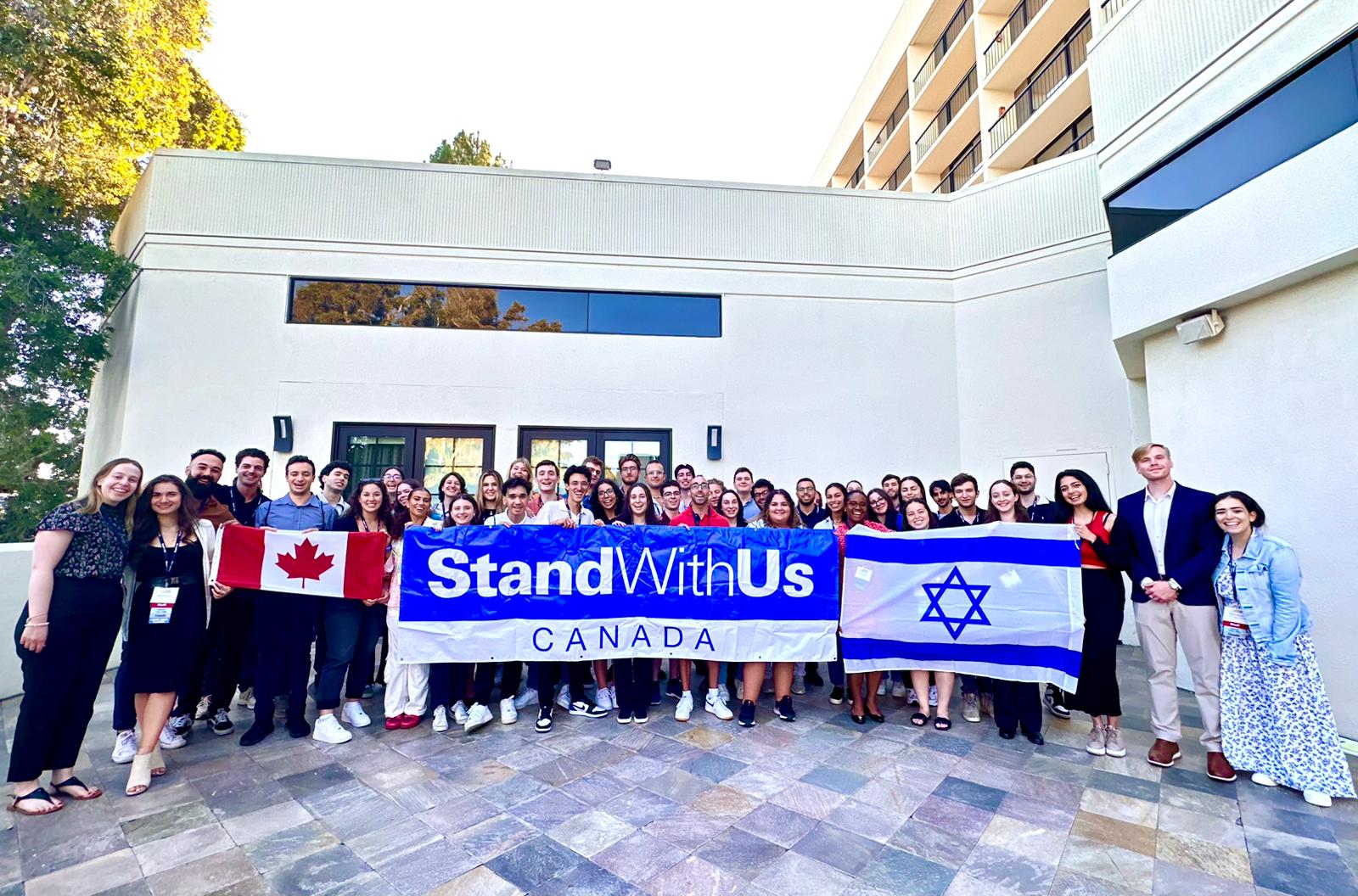
Liron Fyne is a 12th-grade student at Gray Academy of Jewish Education in Winnipeg. They are currently a Kenneth Leventhal High School Intern at StandWithUs Canada, a non-profit education organization that combats antisemitism.