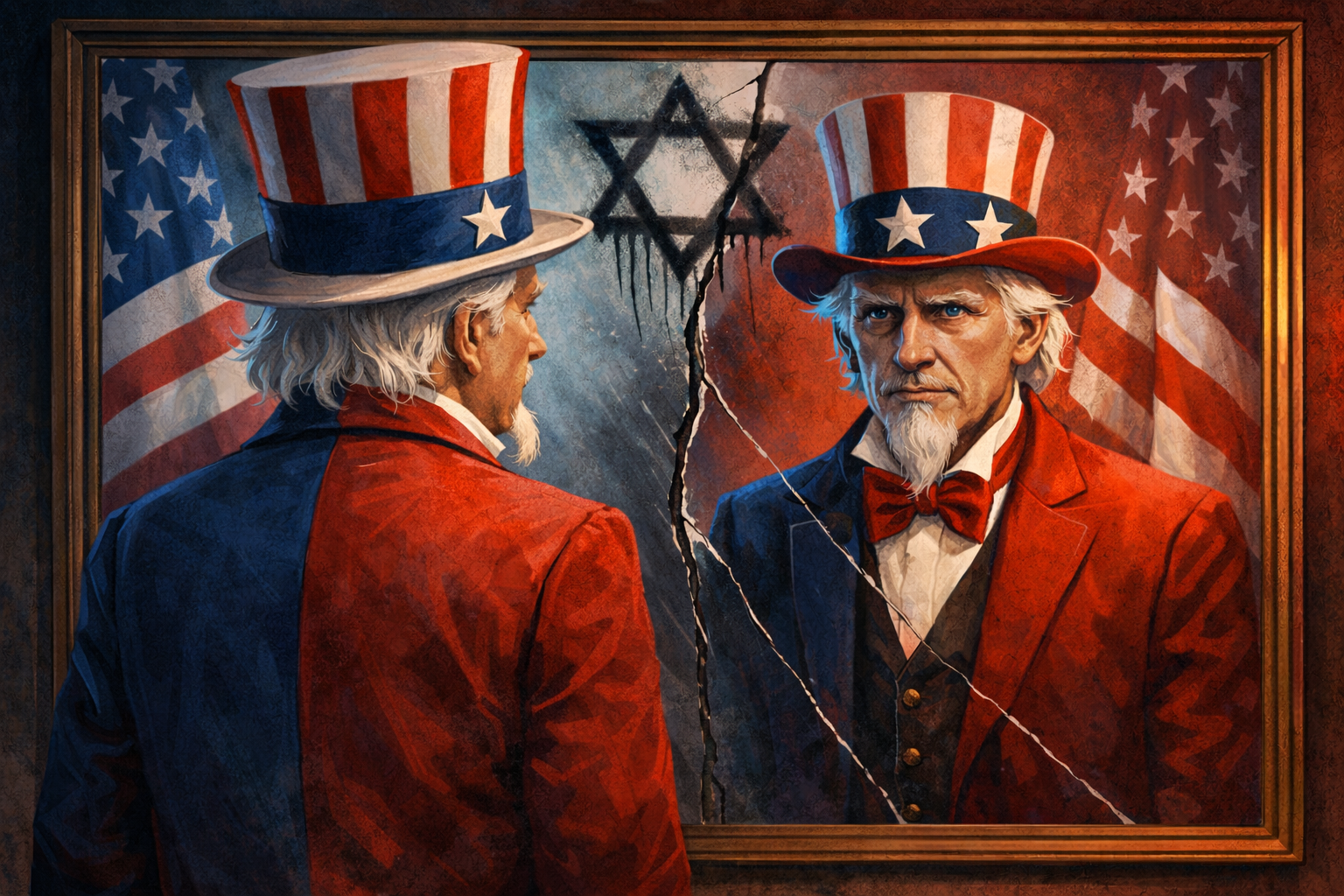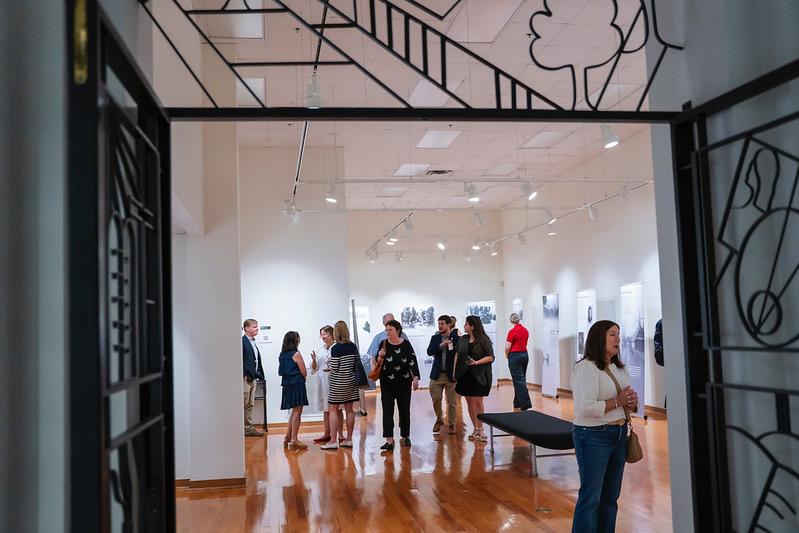
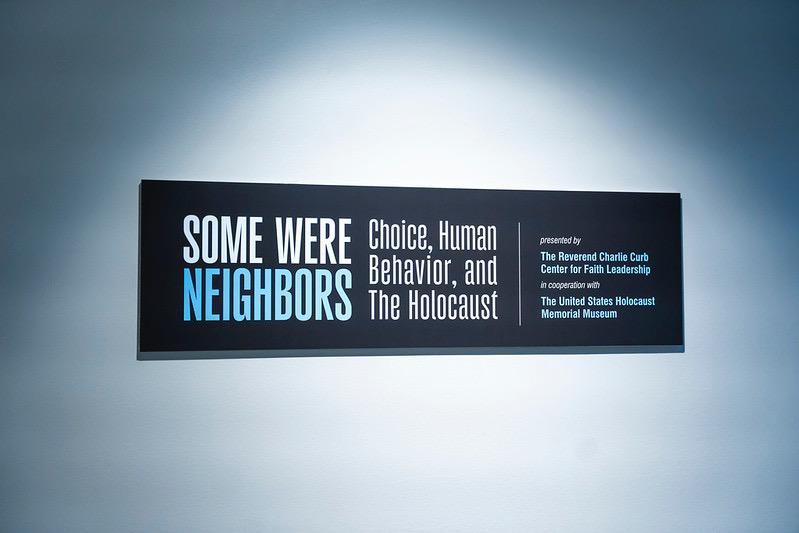
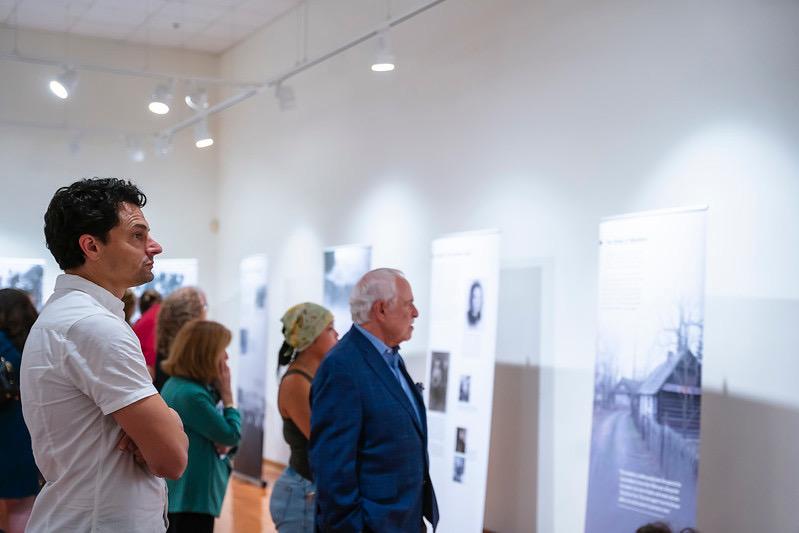
In the heart of Nashville, a city shaped by creativity, a different kind of visual statement has captured people’s attention on campus. While many universities avoid difficult subjects by labeling them “political,” Belmont University has chosen a different path. In partnership with StandWithUs, the Christian institution became the first university in the nation to host the United States Holocaust Memorial Museum’s traveling exhibit, Some Were Neighbors.
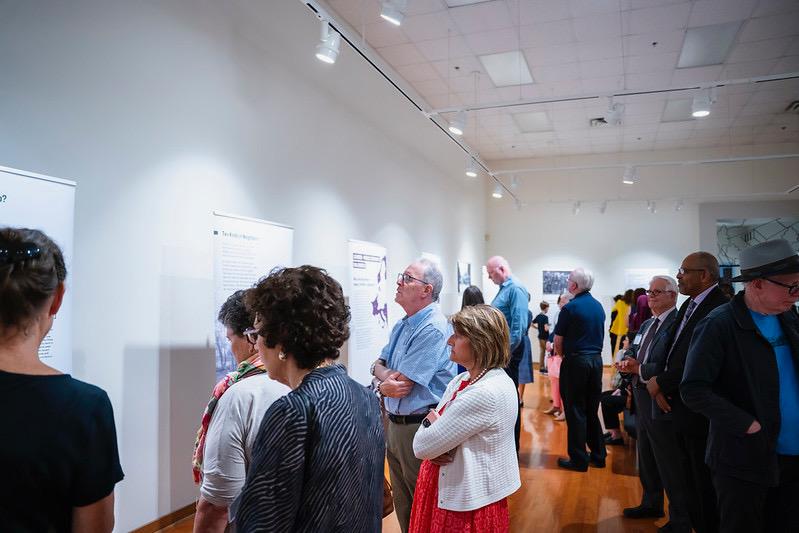
Rather than centering on the architects of genocide, Some Were Neighbors examines the Holocaust through the lens of everyday life and how this horrific moment in history came to be. Using haunting photographs, personal letters, and recovered records, the exhibit shifts focus from halls of power to kitchen tables – to neighbors, teachers, shopkeepers, and friends who refused to act or turned away. It confronts the uncomfortable truth that history is shaped not only by extremists, but by ordinary people and their choices.
The exhibit dismantles the myth that the Holocaust was carried out by a small group of villains alone. Instead, it exposes the “gray zone” of human behavior: the local policeman who assisted with deportations, the teenager who joined the Hitler Youth to fit in, the shopkeeper who looked away as a Jewish neighbor’s livelihood was destroyed. By centering these decisions, the exhibit collapses the distance between past and present, reminding viewers that history is not inevitable – it is made.
Its power lies in its intimacy. Visitors are asked to look into the faces of bystanders and confront a timeless question: What would I have done? At a moment of rising global antisemitism, the question becomes unavoidably urgent: Can I speak up now?
The decision to bring Some Were Neighbors to Belmont reflects nearly two decades of interfaith collaboration between educators Dr. Jon Roebuck and Rabbi Mark Schiftan, rooted in a belief that dialogue must be lived, not just discussed. Their partnership deepened after a shared visit to the U.S. Holocaust Memorial Museum and the National Museum of African American History and Culture, where they recognized the power of experiential learning to confront hate.
At Belmont, the exhibit functions as a “third space,” where students of different faiths encounter the same moral challenge together. By hosting it, a Christ-centered university affirms that standing against antisemitism is not partisan or faith-bound – it is a human obligation.
The exhibit’s relevance was brought into sharp focus by a StandWithUs Emerson Fellow, who shared their experience as an Israeli Jew navigating campus life after October 7. Their personal testimony with rising antisemitism transformed the images on the walls from history into living reality.
“Some Were Neighbors reminded me that empathy and moral courage are choices we must renew every day,” D.C, the Belmont Emerson Fellow reflected. “During the Holocaust, many failed their neighbors. We must choose differently now.”
Belmont’s decision to host this exhibit is an act of moral clarity. It demonstrates how art, when paired with immersive education, can illuminate responsibility and foster empathy before hostility takes hold. The message emerging from Nashville is clear: history is not only something we simply have to remember, but something we must have the courage to display, confront, and act upon to not repeat.
History reminds us that neutrality is a choice. And so is solidarity.
Stand with Jewish students. Stand with Israel. Be a good neighbor today.
Explore the Emerson Fellowship and learn how StandWithUs is equipping students nationwide to confront antisemitism and lead with integrity here.